Pretty-Hot.com

  • Featured Books
  • Submit Your Book
  • Sign Up For Our Newsletter
  • Author Interview
You are here: Home / Archives for Author Interviews

CJ GREEN

Tell us about yourself and how many books you have written.
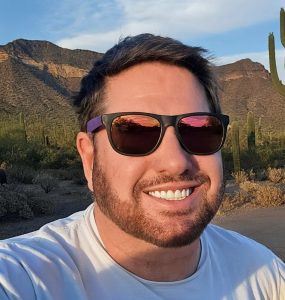
I live in Phoenix, Arizona, where I spend my days teaching seventh and eighth-grade middle school science and my evenings immersed in dark fantasy worldbuilding. As a teacher, I spend a lot of time thinking about resilience, mentorship, and what it means to support people when the weight of the world feels heavy. When I’m not teaching or drafting chapters, you can usually find me camping across the desert landscapes of the Southwest in my motorhome, tending to my backyard fruit trees, or diving into deep strategy video games.

To date, I have completed the first several installments of my 10-book epic fantasy saga, The Unbroken Mark—including Book One (*Unbroken, Uncrowned*), Book Two (*Chainbreak*), and their Spanish-language editions (*Inquebrantable, Sin Corona* and *Rompocadenas*).

What is the name of your latest book and what inspired it?
My debut novel is *Unbroken, Uncrowned* (Book One of The Unbroken Mark).

The story was inspired by a desire to write an antidote to both the “chosen prince in a shining castle” trope and the hopeless nihilism that often creeps into modern grimdark. I wanted to tell a fantasy story where the heroes aren’t royalty or legendary warriors, but ordinary working-class outcasts—miners, teamsters, a runaway priest, and a street thief—stepping into the mud to pull a trapped family out of an abandoned quarry. The heart of the book is built around an ancient working-class creed: “Lords build thrones. We hold the ceiling. No living being is rubble for another.”

Do you have any unusual writing habits?
Because of my background in science and teaching, I am obsessed with the tactile physics of my scenes. Before I write a fight or a cave-in, I think about convective air drafts, timber shear stress, the smell of burnt tallow, and the weight of wet shale. I also tend to pace out the physical space of my characters’ movements. My half-orc character, Grok, has a habit of meticulously tallying rations and debts down to individual slices of salt pork, and I found myself keeping an actual ledger beside my keyboard just to make sure his arithmetic was honest!

What authors, or books have influenced you?
Joe Abercrombie is a huge influence for his unmatched ability to ground fantasy in gritty, visceral character voices. I also love Nicholas Eames’ *Kings of the Wyld* for proving that an action-packed fantasy adventure can still have laugh-out-loud camaraderie and genuine heart. Classic worldbuilders like J.R.R. Tolkien laid the foundational love for deep mountain lore, but I love turning those traditional tropes on their head to see how the laborers, quarrymen, and unbonded workers actually survive under the stone.

What are you working on now?
I am currently working on the upcoming volumes of The Unbroken Mark saga. Book Two, *Chainbreak*, is already released, and I am putting the finishing touches on Book Three, *The Honest Mark*, which dives into the economic fallout of the mountain haven and the struggle for food sovereignty along the borderlands. It’s an ambitious 10-book arc, and keeping the pipeline moving is an exciting ride.

What is your best method or website when it comes to promoting your books?
Word-of-mouth and authentic community connection. I love connecting directly with readers who appreciate character-driven fantasy on Reddit communities like r/Fantasy, sharing behind-the-scenes worldbuilding deep dives, and utilizing reader newsletters and podcast spotlights. When readers realize that a book has real heart and isn’t just generic tropes, they become your best advocates.

Do you have any advice for new authors?
Stop waiting for permission, and don’t write what you think the market wants—write what makes you feel something real. If you don’t care deeply about your characters’ bruises, grief, and small victories, your readers won’t either. Finish the first draft without editing every sentence as you go. You can fix a messy page, but you can’t fix an empty one.

What is the best advice you have ever heard?
“Shared weight breaks no bones.” It’s a core theme in my books, but it’s just as true for creative life. Nobody builds anything meaningful completely alone. Find people who believe in your work, stay humble, and remember that persistence beats raw talent every single time.

What are you reading now?
I’m currently re-reading parts of Josiah Bancroft’s *The Books of Babel* series. His architectural imagination and prose style are brilliant reminders of how worldbuilding and character development can feed into each other seamlessly.

What’s next for you as a writer?
Continuing the rapid release of *The Unbroken Mark* saga. My goal is to deliver all ten books of the series over the coming year, complete with dual-language editions for English and Spanish readers, expanding the world of the Tor and following this found family as they build a haven where no living being is treated as disposable rubble.

What is your favorite book of all time?
*The Lord of the Rings* by J.R.R. Tolkien. It’s the grand foundation of secondary worldbuilding, but more importantly, it proved that the fate of the entire world ultimately rests in the hands of the humble and overlooked, not the mighty lords on high thrones.

Author Websites and Profiles
CJ GREEN Website
CJ GREEN Amazon Profile

CJ GREEN’s Social Media Links
Facebook Profile


If you enjoyed this writer’s interview, check out our Featured Authors page. We have some of the best authors to discover. They are just waiting for you to discover them.

Hope you enjoyed this writer’s interview feel free to share it using the buttons below. Sharing is caring! If you are an author and want to get exposure to new readers submit your book to our book promotion service.

If you are an author feel free to submit your own Author Interview. It is free and we love sharing authors with our readers.

Andrew Barnes Barnes

Tell us about yourself and how many books you have written.
I live in somerset ,England i have written 7 books in the Dodge series and a memoir.

What is the name of your latest book and what inspired it?
My latest book is called Know Associates and its the last book in the Dodge series

Do you have any unusual writing habits?
I tend to be an early hours writer. I like getting up long before the rest of the world is awake, when it’s completely quiet and dark outside. There is a specific kind of focus you get at 4:00 AM or 5:00 AM that you just can’t replicate during the day. It turns out that while my characters are usually stumbling home from the pub or causing chaos late at night, I’m actually at my most productive drinking a strong coffee in the peace of the early morning before the daily distractions start.

What authors, or books have influenced you?
I’ve always been drawn to stories driven by sharp dialogue, authentic banter, and the chaotic side of human nature. Creatively, I’m heavily influenced by classic British crime capers and Ealing comedies—think Lock, Stock and Two Smoking Barrels meets Whisky Galore! I love writers like Roddy Doyle, who can capture the natural, funny rhythm of working-class friendship and pub talk without needing to dress it up. My goal is to combine that fast-paced, quick-witted British humour with small-town crime stories where the stakes are high, but the characters’ ability to complicate things is even higher.

What are you working on now?
Right now, I’m putting the finishing touches on a very special project timed perfectly for a Christmas release. It’s designed to be the ultimate festive treat for fans of the characters, bringing that same trademark West Country chaos, sharp banter, and terrible decision-making into the holiday season. Christmas is the perfect backdrop for a comic caper because everyone is already a bit stressed, a bit festive, and usually stuck in a pub avoiding their relatives—which is exactly where my characters thrive. Keep an eye out, because it’s going to be the perfect stocking filler for anyone who prefers their holiday stories with a bit of a criminal edge!

What is your best method or website when it comes to promoting your books?
When it comes to promoting a paid or discounted book, my absolute best method is a ‘Promo Stack’ using targeted daily deal newsletters. Because readers are opening their wallets, you need to hit platforms packed with active buyers. I lower the book’s price to £0.99 for a limited window, and then stack promotions across sites like Bargain Booksy, Robin Reads, and The Fussy Librarian over a few consecutive days. This creates a steady, cumulative wave of sales that tricks the Amazon algorithm into thinking the book is trending, pushing it onto the ‘Hot New Releases’ and bestseller charts where organic readers can finally spot it. For long-term momentum, I back this up by using BookFunnel to share an exclusive short story prequel, converting those discount buyers into lifelong mailing list subscribers who will pay full price for the next book.

Do you have any advice for new authors?
As a new author myself, the biggest piece of advice I can give is to treat the end of your book as the beginning of your relationship with the reader. When someone finishes your story, they should immediately know how to find your mailing list and what you are writing next. Don’t lose momentum once the book is published. Focus heavily on building your own community of readers through email, and immediately get to work on the next project. The best marketing you can possibly do for your first book is to write a second one!

What is the best advice you have ever heard?
Start writing, no matter what. The water does not flow until the faucet is turned on.

What are you reading now?
“Right now, I’m reading The Barrytown Trilogy by Roddy Doyle. I love going back to books that master the art of dialogue and capture the genuine, raw, and incredibly funny rhythm of working-class friendships. There is something brilliant about how he can make a family argument or pub banter jump off the page without needing heavy descriptions. Alongside that, I always keep a collection of PG Wodehouse stories on my nightstand. The situations his characters get into are pure, elevated farce, and it’s a great reminder of how to perfectly construct a comedic mess

What’s next for you as a writer?
First and foremost is the upcoming Christmas release for The Dodge series. I am deep in the final editing stages to ensure it brings that perfect blend of holiday cheer and absolute West Country chaos to readers’ stockings this winter.Beyond that, my main focus is expanding this universe. I’ve fallen in love with writing the banter between characters like Renton, Django, and Deggsy, and it feels like their capacity for getting into trouble is practically endless. I’m currently sketching out outlines for a few more comic crime capers. My ultimate goal is to keep turning on the faucet early in the morning and building a definitive collection of fast-paced, laugh-out-loud British stories that readers can rely on whenever they need a good escape and a proper chuckle

What is your favorite book of all time?
If I had to pick just one, it would be The Pickwick Papers by Charles Dickens. It’s widely considered the original British comic novel, and it’s an absolute masterclass in eccentric character design, episodic misadventures, and dry wit. The chaotic journeys of the Pickwick Club feel like the Victorian ancestor to the modern comedic caper. Every time I open it, I’m reminded of how timeless great character-driven humour really is. It’s proof that a group of slightly deluded, well-meaning people getting completely out of their depth will never stop being funny

Author Websites and Profiles
Andrew Barnes Barnes Website
Andrew Barnes Barnes Amazon Profile

Andrew Barnes Barnes’s Social Media Links
Goodreads Profile


If you enjoyed this writer’s interview, check out our Featured Authors page. We have some of the best authors to discover. They are just waiting for you to discover them.

Hope you enjoyed this writer’s interview feel free to share it using the buttons below. Sharing is caring! If you are an author and want to get exposure to new readers submit your book to our book promotion service.

If you are an author feel free to submit your own Author Interview. It is free and we love sharing authors with our readers.

Fanni Senkise

Tell us about yourself and how many books you have written.
I’m Fanni Senkise, a Hungarian author living in France, an English teacher, a storyteller and a lifelong bookworm. I have two master’s degrees in literature, including one in Children’s Literature. I love exploring different genres, creating characters who feel like old friends and writing stories about belonging, friendship, love and all the beautiful messiness of being human.

I currently have four completed manuscripts and many stories waiting impatiently for their turn! Together, they’re building the Fanni Literary Universe, an ever-expanding world of stories, characters and unexpected connections. My debut novel, August, was published in June 2026, and my second book, Macchiatos, My Friends and Other Things I Can’t Live Without, is coming out this November.

What is the name of your latest book and what inspired it?
My latest book is August, my debut novel, published in June 2026. It all started with a trip to Normandy in 2021. I fell in love with the region, its little seaside towns and lighthouses, and I knew I wanted to set a story there.

Around the same time, I was going through a breakup, and my friends played an enormous role in helping me get through it. I wanted to write a story that had a little romance, of course, but above all celebrated female friendship, something I feel is still underrepresented in books.

The soundtrack to that period of my life was Taylor Swift’s folklore and evermore, which also helped me through my separation. I loved how the songs had their own cast of characters, each with their own stories, sometimes intertwining. That approach to storytelling was a source of inspiration, and fellow Swifties might discover a few little Easter eggs in August!

Being a Hungarian author writing in English while living in France puts me in a slightly unusual position. I’m a little bit in between everywhere! So I wanted my debut novel to be set in the country where I live, hoping that a French setting would also help me connect with local readers.

Do you have any unusual writing habits?
I put together a Spotify playlist and a Pinterest board for every novel, although I suspect that’s not particularly unusual. I also write most of my stories out of order, so I often have bits from the middle and the end before I’ve even figured out the beginning. Then I have to rework everything to find the story. Scrivener has helped me enormously with this, as it allows me to write in whichever order I want. (Not a paid advertisement, but it really has been a lifesaver for my atypical brain. 😊)

I also get my best ideas while walking. I used to type them on my phone as I went, which was both dangerous and resulted in an impressive number of typos. These days, I tend to dictate my thoughts and let an app transcribe them for me. I can edit everything afterwards, and it’s much faster and safer than trying to write a novel while navigating the pavement.

What authors, or books have influenced you?
I’m a bit of a literary omnivore, and I have a lot of influences from different countries and literary traditions. I think this has really shaped the way I write.

For August in particular, I was influenced by Penelope Lively’s A Stitch in Time, a book I discovered during my MA in Children’s Literature. It also explores summer, memories and the way the past and present intertwine, which are themes I wanted to explore in my own novel.

I’m also a great admirer of Joanne Harris. She has such a strong, distinctive voice, and I feel that her way of seeing the world is quite similar to mine. I’ve always loved how she weaves a little everyday magic into her stories.

What are you working on now?
I’m currently working on the final edits and formatting of Macchiatos, My Friends and Other Things I Can’t Live Without, which is coming out in November, while also trying to put together some marketing campaigns.

At the same time, I’m writing Moon over Pale Water, a second-chances romance set in the Paris region, which I’d like to publish next spring.

I’ve also been very tempted to revisit another of my stories, Our Best Friend’s Alien Boyfriend. It’s a quirky, fun YA sci-fi novel that’s quite different from my first three books, and I’ve found myself missing it lately. So I might sneak in some edits on that one too, if I can find the time!

What is your best method or website when it comes to promoting your books?
Honestly, with my first book having been published only four months ago, I’m still learning the ropes of the trade. I’ve tried Amazon and Instagram advertising, but neither has really worked for me so far. Perhaps I just haven’t found the right techniques yet!

I recently ran a free Kindle promotion and found that having August featured on Book Cave brought in quite a few readers. I also had a lovely author interview with Indie Book Stories, who did a wonderful job presenting it.

I spend a lot of time researching different ways to promote my books, and sadly, many of them don’t bring the results I’d hoped for. But when something finally works, it’s incredibly rewarding.

Do you have any advice for new authors?
There are so many things that can discourage you from becoming a writer. We’re told that the market is saturated, that fewer and fewer people read nowadays, that AI-generated books are taking up more and more space, and that finding a literary agent is incredibly difficult…
But I’ve always written because I love writing. Even if nobody ever read my books, I’d still keep creating these universes because it’s something that makes me profoundly happy. So if you’re looking at writing as a get-rich-quick scheme, or perhaps a get-loved-quick scheme, it might not be the best idea. Write because you cannot not write.

What is the best advice you have ever heard?
There’s a quote from Doctor Who that I love: “Good is good in the final hour, in the deepest pit, without hope, without witness, without reward.” It’s originally about goodness, but to me, it also applies to writing. You have to create even when nobody is watching.

I decided to publish my stories because I believe that if one of them brings a little lightness into someone’s life, or reaches someone at a moment when they really need it, then it was already worth it. But I still write as if nobody is watching, and I think that gives me strength.

And if one day I’m lucky enough to have millions of readers, I hope I’ll still have the humility to write as if I were writing only for myself, according to my own standards. Because once you start listening to everyone, you’ll discover that people want wildly different, often contradictory things from your stories. You simply can’t please them all.

So set high standards for yourself, stick to them, and above all, write because you love to write.

What are you reading now?
I’m not particularly faithful when it comes to books. I usually have a little harem of five or six books going on at the same time, and I switch between them depending on what holds my attention.

Right now, I’m listening to Leech by Hiron Ennes, a wonderfully atmospheric Gothic horror novel that has completely captivated me. I’ve actually caught myself doing extra chores just so I have an excuse to keep listening to the audiobook.

What’s next for you as a writer?
My second book, Macchiatos, My Friends and Other Things I Can’t Live Without, is coming out in November, if everything goes according to plan. It’s actually the first manuscript I ever finished and very much my little baby, so I’m incredibly excited about its release. I think it has a lot of potential to be well loved if it finds the right readers.

I’m also going to give a talk to students at my former university about writing and pursuing a career as an author, which I’m really looking forward to. And I’ll be attending a book club that has read August, so I’ll get to meet some of my readers and discuss the book with them.

There are some exciting things coming up, and I already have my publishing schedule planned for next year. I can’t wait to share those stories, too.

What is your favorite book of all time?
You can’t ask a writer to choose just one favourite book! 😂 But one that comes to mind is Midwinterblood by Marcus Sedgwick, which profoundly influenced me. I discovered it during my MA in Children’s Literature, and it felt like something I could have written myself. I also had the chance to meet Marcus and attend a writing retreat with him. He was actually the first person to read the finished manuscript of Macchiatos, so the book and its author will always be very special to me.

Another favourite is S. by J. J. Abrams and Doug Dorst. It’s such an innovative book, unlike anything I’d ever encountered before, and I absolutely loved both the story and the way it was told.

As for graphic novels, I’m a huge fan of Neil Gaiman’s The Sandman. I love how it creates its own mythology and blends it with urban fantasy. It’s another work that has deeply influenced my writing.

Author Websites and Profiles
Fanni Senkise Website
Fanni Senkise Amazon Profile

Fanni Senkise’s Social Media Links
Goodreads Profile
Pinterest Account


If you enjoyed this writer’s interview, check out our Featured Authors page. We have some of the best authors to discover. They are just waiting for you to discover them.

Hope you enjoyed this writer’s interview feel free to share it using the buttons below. Sharing is caring! If you are an author and want to get exposure to new readers submit your book to our book promotion service.

If you are an author feel free to submit your own Author Interview. It is free and we love sharing authors with our readers.

Roy T James

Tell us about yourself and how many books you have written.
The Unsure Male: A bold, new-look at the enigma of life that explains everything one needs to know.
Caste-the Unexplored Territories: A fresh look at the most perennial social problem in India
Glimpses of Autobiography: A bunch of people, their impressions, and thoughts that would have found a place in his autobiography, had he wrote one
Hubs that Provoke: A collection of essays that present an oblique view of all that we consider as the most cherished values in life
More Hubs that Provoke: Some more views, of all that we consider as the most cherished values in life
Homo-posterus: A science fiction novel
Easy Route to Peace: A collection of essays proposing a few quick and easy ways to simplify the complex life, we have painstakingly assembled over the years
Easier Route to peace: A quicker way to simplify our complex life
Life of Style: A peep into the human society to see why it is always into violence
Overhaul Life: Some suggestions to correct our life to address all the troublesome issues that stick
Human Element of the Human: Identifying spirit as the element, the book explores its origin and destination, and suggests ways to garner it for the benefit of the race
Fathoming the Enigma: A trip to the bottom of the issue, to locate the culprits that are making an enigma out of every human
All My Books: All my books in one book
Is Wisdom, a Must? Explains why we should try to live without wisdom
Evolution and the Future of the Unique Human: How come human is an unfathomable, and if it remains so, what all can lie ahead
The Way to A Lifestyle: Do Away with A Violent Human Society. What we can do as a permanent remedy? Follow a new style of thinking, which will make us look for a lifestyle to follow
Few More Thoughts: An examination of the future of the spiritual and the material, a critic of our present state, a suggestion for a better life for the human, and an insight into thinking, are some of the ideas presented in this book
Lessons Of Violence: We all know, human society is a violent one, and there is nobody who is not concerned. Everybody has a remedy, and all of it borders on the abstract. But, a better approach is to learn something from it, and use the lessons profitably. If so, some things and ideas we cherish as distinct human features stands to get axed
Ideology is the Culprit: What is there wrong with the human? At any time, they tend to have lot many issues, and why is it so? The answer is rather simple. Not enough ideas to address all the issues. Now, where are the ideas? Few ideas are hidden in Ideology, and the rest suppressed by warring ideologies. If so, what is the remedy? Kill ideology and free ideas
The Fathomable Human: This book revolves around the idea that while other forms of life operate on a consistent, predictable “lifestyle mode,” humans exist in an “event mode.” Our lives are constantly shaped by external occurrences, leading to an ever-altering and adaptable lifestyle. While this flexibility was crucial for our ancestors to overcome a lack of inherent skills and natural defenses, in the present day, this is leading to unintended negative consequences

What is the name of your latest book and what inspired it?
The Fathomable Human: This book revolves around the idea that while other forms of life operate on a consistent, predictable “lifestyle mode,” humans exist in an “event mode.” Our lives are constantly shaped by external occurrences, leading to an ever-altering and adaptable lifestyle. While this flexibility was crucial for our ancestors to overcome a lack of inherent skills and natural defenses, in the present day, this is leading to unintended negative consequences

Do you have any unusual writing habits?
No, not at all

What authors, or books have influenced you?
The author I liked best is Plate, and all his works keep influencing me

What are you working on now?
In fact, each of my books puts focus on some of the issues that remain generally overlooked or forgotten while being highly destructive, about a few significant aspects of our life. Since these issues are nothing new and have been there for a long time, a question arises. Why does it continue to be so, unless we are deliberately avoiding to act upon those? I am looking for some answer here.

What is your best method or website when it comes to promoting your books?
Any one who does free promotion

Do you have any advice for new authors?
I am a new one open to advises

What is the best advice you have ever heard?
Not heard many

What are you reading now?
random titles

What’s next for you as a writer?
try to write more books

What is your favorite book of all time?
Decline and the fall of Roman Empire

Author Websites and Profiles
Roy T James Amazon Profile


If you enjoyed this writer’s interview, check out our Featured Authors page. We have some of the best authors to discover. They are just waiting for you to discover them.

Hope you enjoyed this writer’s interview feel free to share it using the buttons below. Sharing is caring! If you are an author and want to get exposure to new readers submit your book to our book promotion service.

If you are an author feel free to submit your own Author Interview. It is free and we love sharing authors with our readers.

Dean Howard

Tell us about yourself and how many books you have written.

I’m Dean Howard, and I’m interested in people, ideas and the strange ways the two interact. I’ve always been fascinated by why people believe what they believe, why we form groups, why we argue, and why we’re sometimes so convinced that our way of seeing things is the obvious one.

Outside of writing, I read quite a lot, particularly psychology, history and anything that gives me a different perspective on human behaviour. I’m also a big fan of film and popular culture, partly because I think you can learn an awful lot about people from the stories we keep telling ourselves.

Who Needs Enemies? is my first book, so I’m still very much finding my feet as an author. I wanted the first one to explore an idea that everyone could recognise in some way, without turning it into an academic textbook or telling people what they should think.

There are plenty more ideas I’d like to explore, though, so hopefully it won’t be the only book I write

What is the name of your latest book and what inspired it?
My latest book is Who Needs Enemies? The Psychology of Us vs. Them, and Why We Need Someone to Blame.

The idea started with a fairly simple question: why do we seem to need someone to be against? You see it everywhere, from politics and religion to sport, films, social media and even ordinary arguments between people who probably have more in common than they realise.

What interested me was the possibility that an enemy isn’t always just someone we happen to disagree with. Sometimes they actually give us something we need. They can give us a sense of identity, belonging, certainty or purpose, and they can make complicated problems feel much easier to understand.

Once I started looking at it that way, I began noticing the pattern everywhere. That’s really what inspired the book. I wanted to explore why we create these divisions, why we become attached to them, and what our enemies might actually be doing for us psychologically.

I also liked the fact that it isn’t really about one particular political side, group or ideology. We’re all capable of falling into the same patterns, which makes the subject much more interesting to me.

Do you have any unusual writing habits?
I don’t know if I’d call them unusual, but I definitely have a few habits that probably make the writing process take longer than it needs to.

I tend to write in bursts. I’ll have an idea that gets stuck in my head and I’ll think about it for days before I actually sit down and write it. Quite often I’ll be doing something completely unrelated and suddenly think, “That’s the point I’m trying to make.” I’ll make a note of it before I forget, which means I have a ridiculous collection of notes and half-finished thoughts on my phone.

I also read quite a lot while I’m writing, but I try not to stay too focused on the exact subject I’m working on. Sometimes reading something completely different will give me a better idea than reading another book on the same topic.

And I’m a bit of an over-editor. I’ll happily spend far too long changing a sentence that was probably perfectly fine in the first place. I’ve had to learn that there’s a point where you have to stop tinkering and let the book go.

The other habit is probably the most important one: I like to walk away from something I’ve written and come back to it later. If I still think it makes sense when I’ve forgotten what I was trying to say, that’s usually a good sign.

What authors, or books have influenced you?
There are quite a few, and probably more than I realise. I tend to be influenced less by individual writing styles and more by people who make me look at something familiar in a slightly different way.

Robert Greene has definitely been an influence, particularly in the way he explores power, status, human behaviour and the patterns that sit underneath everyday interactions. I find his work interesting because it takes things that we often experience without thinking about them and brings them into the open.

René Girard was another important influence on Who Needs Enemies?, especially his ideas around imitation, rivalry and scapegoating. His work can get quite philosophical, but the underlying observations about human conflict are fascinating.

I’ve also been influenced by Jonathan Haidt, particularly his work on moral psychology and the way people can arrive at very different conclusions while feeling that their own position is completely obvious.

Beyond those writers, I’m probably just as influenced by fiction, films and history. A good story can sometimes explain human behaviour better than a hundred pages of theory. I’m particularly interested in characters who become defined by an opponent, because that idea is at the heart of the book.

So there isn’t really one book I could point to and say, “That’s where all this came from.” It’s more a collection of ideas I’ve picked up over the years and eventually started connecting together.

What are you working on now?
I’m still in the early stages of deciding what comes next, so I don’t want to pretend I’ve got a perfectly organised five-book plan sitting in a drawer somewhere.

I’ve got a few ideas that I’m playing around with, mostly around psychology, human behaviour, influence and the way people make sense of the world. One of the things I enjoyed about writing Who Needs Enemies? was starting with a fairly ordinary observation and then asking what might actually be going on underneath it.

I’d like to do more of that.

I’m also interested in writing something a little more ambitious eventually. There are some subjects where I think you need more space to really explore the history, the psychology and the competing explanations rather than trying to squeeze everything into a neat argument.

For now, though, I’m enjoying the fact that the first book is actually finished and out of my head and into the world. I’m trying not to get too far ahead of myself. One book at a time seems like a sensible approach.

What is your best method or website when it comes to promoting your books?
I’m still figuring that one out, to be honest. Who Needs Enemies? is my first book, so I don’t have years of data telling me what works and what doesn’t.

I’m actually quite interested in the less obvious side of promotion. Everyone talks about social media, building an email list and constantly posting content, but there are plenty of other ways to get a book in front of people. I’m experimenting with things like book directories, reader communities, interviews, free promotional opportunities and getting the book listed in places where people are already looking for something to read.

Amazon is obviously important as well, particularly because that’s where the majority of readers are going to discover the book in the first place. Things like the cover, description, categories and keywords can make a difference before you’ve even spent a penny on advertising.

I think the biggest lesson for me so far is that there probably isn’t one magic website or promotional method. It’s more about putting the book in enough relevant places that you gradually increase the chances of someone finding it.

I’m treating the first book as a bit of an experiment, really. I’ll see what gets results, keep doing the things that make sense and hopefully have a much better idea of what works by the time the second book comes along.

Do you have any advice for new authors?
I’d say finish the book.

That sounds obvious, but I think it’s probably the biggest hurdle. It’s very easy to spend months researching, planning, changing the title, redesigning the cover and convincing yourself that you’re still “working on the book” when really you’re avoiding the slightly uncomfortable moment of actually putting it out there.

I’m a big believer in making the first book good, but not trying to make it perfect. You’ll learn things by publishing that you simply can’t learn while the manuscript is sitting on your computer.

I’d also say read your work as a reader rather than as the person who wrote it. Once you’ve spent weeks looking at the same paragraphs, you know exactly what you meant to say, which makes it surprisingly easy to miss when something doesn’t actually come across on the page.

And don’t worry too much about trying to imitate what other authors are doing. Learn from them, obviously, but find a voice that feels natural to you. Readers can usually tell when someone is trying too hard to sound like an “author.”

Most importantly, keep writing. Your first book doesn’t have to define your entire career. It just has to be the first book.

What is the best advice you have ever heard?
One piece of advice that’s always stuck with me is: “You don’t have to have an opinion about everything.”

It sounds simple, but I think it’s surprisingly difficult to follow. We’re surrounded by people telling us what we should think about politics, culture, work, relationships, money, success — pretty much everything. There’s an enormous pressure to have an immediate position on every subject.

I’ve found that there’s actually quite a lot of value in being able to say, “I don’t know yet.”

That probably connects with a lot of what I write about. We like certainty, and we like feeling that we’ve got things figured out. But sometimes the more interesting question isn’t whether we’re right or wrong. It’s whether we’ve given ourselves enough time to properly think about why we believe something in the first place.

I’m still working on it myself, by the way. It’s much easier to give that advice than it is to follow it.

What are you reading now?
At the moment I’m jumping between a few different things rather than reading one book from beginning to end. I tend to have a couple of books on the go because what I want to read depends very much on my mood.

I’m still reading quite a lot around psychology and human behaviour, particularly anything that looks at how people form beliefs, make decisions and behave in groups. After spending so much time writing Who Needs Enemies?, I find myself noticing those patterns everywhere, which is probably both useful and slightly annoying.

I’m also reading some history and fiction alongside that. I think fiction is underrated as a way of understanding people. You can sometimes learn more about jealousy, ambition, loyalty or revenge from a well-written character than you can from a psychology textbook.

The other thing I’ve noticed is that finishing a book doesn’t necessarily mean I’m finished with it. I’ll often come across an idea months later and suddenly realise it connects to something I’d been thinking about.

So my reading list is probably less organised than it should be, but I quite like it that way. There’s always something unexpected waiting to distract me.

What’s next for you as a writer?
Hopefully, more books.

I’m still enjoying the fact that Who Needs Enemies? has gone from an idea in my head to an actual book that people can pick up and read. There’s something quite strange about that, especially with a first book.

I’d like to keep exploring the same general territory — psychology, human behaviour, influence, conflict and the stories we tell ourselves — but I’m not interested in simply writing Who Needs Enemies? again with a different cover. There are plenty of other questions that I find interesting.

I’m also keen to experiment a bit more with the publishing side of things. Writing the book is obviously the main part, but I’ve discovered that there’s a whole second world involved in getting people to actually find it. I’m learning as I go, and I think that’ll become part of the process with future books.

For now, I’m trying to keep it fairly simple: finish one book, learn from it, then start the next one.

If I can look back in a few years and see a shelf full of books that each started with a question I couldn’t quite let go of, I’ll be pretty happy with that.

What is your favorite book of all time?
I’d probably say The 48 Laws of Power by Robert Greene. I’ve read it more than once and I suspect I’ll still find things in it I’ve missed before. Whether you agree with all of it or not, it’s a fascinating book to dip in and out of.

Author Websites and Profiles
Dean Howard Website


If you enjoyed this writer’s interview, check out our Featured Authors page. We have some of the best authors to discover. They are just waiting for you to discover them.

Hope you enjoyed this writer’s interview feel free to share it using the buttons below. Sharing is caring! If you are an author and want to get exposure to new readers submit your book to our book promotion service.

If you are an author feel free to submit your own Author Interview. It is free and we love sharing authors with our readers.

Jacques Raillane

Tell us about yourself and how many books you have written.

Ancien fonctionnaire français, ayant passé quelques années en Afrique. Marié avec une ancienne hôtesse de bar, où d’ailleurs nous nous sommes rencontrés. J’ai déjà publié deux livres sur Amazon. Deux autres sont en préparation.

What is the name of your latest book and what inspired it?
“Expats à Douala” (Un roman érotique où pouvoir et désir se mêlent sous le soleil de l’Afrique), une fiction basée sur des choses vues ou entendues lors de mes années passées sur le continent africain. A la fois la vie des épouses d’expatriés, l’attirance des hommes de pouvoir africains pour les femmes blanches et parfois la soumission des maris qui acceptent cet été de fait car les places sont rémunératrices.

Do you have any unusual writing habits?
Inhabituelles ? non en fait. Mais le soir, plutôt que de regarder la télé. Mon moment de détente et d’évasion.

What authors, or books have influenced you?
Beaucoup de nouvelles et d’histoires (de valeur inégale) lues sur le web. Il y avait en France quand j’étais jeune une collection qui s’appelait “Aphrodite”. Une série de livres érotiques à la couverture bleue qu’on s’arrachait dans les dortoirs.

What are you working on now?
Deux ouvrages. L’un, court, qui regroupe 4 novellas. L’autre est un romans de plus de 600 pages que je publierai certainement en 3 volumes : l’histoire d’une jeune couple de français qui s’installe à Dakar (ville que je connais très bien). Les conditions de travail du mari et le choc culturel pour la femme vont les entrainer très loin de ce qu’ils pouvaient imaginer.

What is your best method or website when it comes to promoting your books?
Écrivain débutant, je ne connaissais que les descriptions sur amazon. Pretty6hot est ma première vraie expérience.

Do you have any advice for new authors?
Se lancer, tout simplement. Écrire fait du bien. Et si ce qu’on raconte plait à une, cent, mille ou dix mille personnes, c’est du bonus.

What is the best advice you have ever heard?
Sois toi même.

What are you reading now?
De la géopolitique africaine, vu par des occidentaux.

What’s next for you as a writer?
Finir mon gros roman. Aller au bout de ce projet.

What is your favorite book of all time?
Peut-être mon premier livre érotique, paru en 1971 ; les girelles de Port-Grimaud. Le livre raconte les aventures légères, amoureuses et sexuelles d’un groupe de jolies jeunes femmes (les fameuses « girelles ») évoluant dans le décor alors flambant neuf de la cité lacustre de Port-Grimaud, en plein cœur du golfe de Saint-Tropez.

Author Websites and Profiles
Jacques Raillane Amazon Profile


If you enjoyed this writer’s interview, check out our Featured Authors page. We have some of the best authors to discover. They are just waiting for you to discover them.

Hope you enjoyed this writer’s interview feel free to share it using the buttons below. Sharing is caring! If you are an author and want to get exposure to new readers submit your book to our book promotion service.

If you are an author feel free to submit your own Author Interview. It is free and we love sharing authors with our readers.

Dario Varona

Tell us about yourself and how many books you have written.
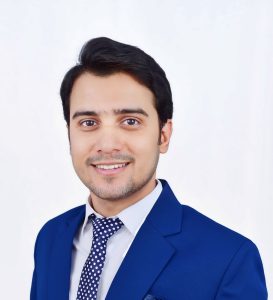
Soy Dario Varona, capacitador, coach ejecutivo y autor argentino. Hace muchos años trabajo con personas que están aprendiendo a liderar equipos y gran parte de lo que escribo nace justamente de esas clases, de las preguntas que aparecen y de situaciones reales que después seguimos conversando.

Hasta hoy escribí seis libros, todos dentro de la colección Manuales de liderazgo. Los temas son estilos de liderazgo, liderazgo situacional, objetivos SMART, feedback, delegación y motivación de equipos.

La verdad es que no empecé pensando “quiero ser escritor”. Empecé porque mis alumnos terminaban una capacitación y me pedían material para seguir leyendo. Y ahí entendí que podía transformar años de clases, apuntes, experiencias y preguntas en manuales sencillos y prácticos.

Eso es lo que intento hacer con cada libro: que alguien pueda leerlo, reconocer una situación que le pasa y llevarse una herramienta que pueda usar al día siguiente.

What is the name of your latest book and what inspired it?
Mi último libro es Manual de cómo motivar equipos.

La inspiración nació, como en gran parte de mis libros, de lo que aparece en las capacitaciones. La motivación es uno de esos temas que siempre genera preguntas: qué hacer cuando una persona pierde interés, por qué algo que motiva a uno no funciona con otro y hasta dónde realmente puede intervenir un líder.

Durante años fui tomando notas, escuchando experiencias de alumnos y trabajando casos concretos. Y ahí fui entendiendo que motivar no es encontrar una frase correcta, un premio o una técnica que funcione para todos.

El libro nació de esa necesidad de ordenar esas ideas y convertirlas en algo práctico. Quería que mis alumnos pudieran llevarse un material que les ayudara a mirar mejor a las personas, entender qué puede estar moviendo su conducta y pensar qué condiciones puede generar un líder para favorecer el compromiso, la autonomía y el desarrollo.

Como en toda la colección, la idea fue que el libro continuara la conversación después de que termina la clase.

Do you have any unusual writing habits?
Sí. Necesito estar en un ambiente que me resulte agradable para escribir. Me ayuda mucho estar positivo, tranquilo, con mate cerca, un buen café y una luz cálida.

Puede parecer un detalle menor, pero para mí cambia mucho el clima. Cuando el espacio se siente cómodo, también me resulta más fácil bajar el ritmo, ordenar ideas y concentrarme.

No tengo un ritual extraño ni demasiado elaborado. Es más simple: mate, café, una buena luz y estar en el estado mental adecuado para sentarme a escribir.

What authors, or books have influenced you?
Hay varios autores que me han acompañado durante muchos años. Dale Carnegie es uno de los más importantes para mí, porque su manera de hablar sobre las personas, las relaciones y la comunicación siempre me resultó muy cercana.

También me influenciaron Stephen Covey, John C. Maxwell, Alex Dey, Lair Ribeiro y Napoleon Hill, especialmente con Piensa y hágase rico.

A ellos sumaría Ken Blanchard, Daniel Goleman, Simon Sinek, Jim Rohn y Tony Robbins. De cada uno fui tomando ideas, preguntas y formas distintas de mirar el liderazgo, el desarrollo personal y la manera en que nos relacionamos con los demás.

No necesariamente coincido con todo lo que plantea cada autor, pero sí valoro aquellos libros que me dejan pensando y que después puedo llevar a una clase, conversar con mis alumnos o aplicar a una situación real.

What are you working on now?
Ahora estoy trabajando en seguir desarrollando material para mis alumnos y en darle continuidad a la colección Manuales de liderazgo.

Los seis primeros libros ya están escritos, pero en las clases siguen apareciendo preguntas, casos y temas nuevos todo el tiempo. Entonces voy tomando notas, guardando ejemplos y viendo cuáles de esas situaciones merecen convertirse en un nuevo material o, quizás, en otro manual.

También estoy trabajando mucho en ordenar contenidos que fui acumulando durante años de capacitaciones. Tengo clases, apuntes, ejercicios y experiencias que muchas veces quedaron ahí porque nunca tuve el tiempo de convertirlos en algo más.

Hoy estoy justamente en esa etapa: transformar todo ese material en contenidos que puedan seguir siendo útiles cuando la capacitación termina. Para mí, escribir sigue siendo una extensión de enseñar.

What is your best method or website when it comes to promoting your books?
Para mí, hoy los dos lugares más importantes son Amazon y Google.

Amazon porque es donde mucha gente ya entra con intención de buscar y comprar libros, y Google porque permite que una persona llegue a un autor o a un libro incluso cuando todavía no lo conoce.

Por eso trato de trabajar las dos cosas: estar bien presentado en Amazon, con los libros correctamente cargados, y al mismo tiempo construir presencia en Google con mi sitio web, perfiles de autor, entrevistas y otras plataformas.

No creo que exista un único sitio mágico para promocionar un libro. Para mí funciona mejor construir presencia en varios lugares y hacer que todos apunten de manera coherente al mismo autor y a los mismos libros.

Do you have any advice for new authors?
¿Cuál es el mejor Mi consejo sería que se animen. Muchas veces uno espera tener todo resuelto, sentirse preparado o encontrar el momento perfecto, y ese momento casi nunca llega.

Hay que empezar, probar, equivocarse y seguir.

Y también aprender a dejarse ayudar. A veces hay personas que ya recorrieron parte del camino, que saben un poco más, que tienen otra mirada o simplemente van unos pasos adelante. Escucharlas puede ahorrarte muchísimo tiempo.

No significa copiar lo que hacen otros, sino aprovechar su experiencia para avanzar más rápido y después encontrar tu propia manera.

Para mí, escribir también fue eso: animarme y aceptar ayuda cuando la necesitaba.consejo que has escuchado?

What is the best advice you have ever heard?
Hay una pregunta que alguna vez escuché y que me quedó dando vueltas: ¿cuántos libros escribiste para el mundo y cuánto conocimiento dejaste, en lugar de llevártelo con vos?

Me hizo pensar mucho, porque durante años uno acumula experiencias, aprendizajes, errores, clases, conversaciones y conocimientos. Pero si todo eso queda solamente en uno, llega un momento en que se pierde.

Por eso hoy creo que compartir lo que aprendiste también es una responsabilidad. No hace falta escribir el libro perfecto ni saberlo todo. Se trata de dejar algo que pueda servirle a otra persona.

Ese consejo fue uno de los que más me empujó a escribir: tratar de no llevarme conmigo todo lo que aprendí, sino dejar una parte para los que vienen después.

What are you reading now?
Ahora estoy leyendo mucho sobre inteligencia artificial y sobre todos los cambios que está generando.

Me interesa entender no solamente las herramientas, sino qué está cambiando en la forma de trabajar, aprender, enseñar, escribir y tomar decisiones. Siento que estamos entrando en una etapa muy distinta y que todavía estamos tratando de comprender la magnitud del cambio.

Por eso leo bastante sobre IA, automatización, educación, trabajo y nuevas formas de producir conocimiento. Me interesa especialmente cómo aprovechar estas herramientas sin perder lo humano, porque para mí ahí va a estar una parte muy importante del desafío.

What’s next for you as a writer?
Mis planes son seguir escribiendo, pero siempre con la misma lógica con la que empecé: que cada libro tenga una utilidad concreta.

No tengo como objetivo escribir por cantidad. Prefiero que cada nuevo manual nazca de una necesidad real, de preguntas que se repiten en las capacitaciones, de casos que aparecen o de temas que mis alumnos necesitan seguir trabajando después de una clase.

Todavía tengo muchísimo material acumulado durante años: apuntes, ejercicios, experiencias, preguntas y contenidos que nunca llegué a convertir en libros. Mi idea es ir ordenando todo eso y transformarlo, poco a poco, en nuevos materiales.

Si además esos libros pueden ayudar a personas que nunca pasaron por una capacitación conmigo, mejor todavía. Para mí, escribir se está convirtiendo en otra forma de enseñar y de dejar disponible una parte de todo lo que fui aprendiendo.

What is your favorite book of all time?
Si tuviera que elegir uno, diría Cómo ganar amigos e influir sobre las personas, de Dale Carnegie.

Es un libro al que siempre vuelvo porque, más allá del tiempo que pasó desde que fue escrito, sigue hablando de algo muy vigente: cómo tratamos a las personas, cómo escuchamos, cómo comunicamos y cómo construimos relaciones.

Muchas de las ideas que plantea después aparecen, de una u otra manera, en liderazgo, comunicación y desarrollo personal. Por eso para mí no es solamente un libro que leí; es uno de esos libros que te acompaña durante años y que cada tanto volvés a mirar con otros ojos.

Author Websites and Profiles
Dario Varona Website
Dario Varona Amazon Profile
Dario Varona Author Profile Other Bookseller

Dario Varona’s Social Media Links
Goodreads Profile


If you enjoyed this writer’s interview, check out our Featured Authors page. We have some of the best authors to discover. They are just waiting for you to discover them.

Hope you enjoyed this writer’s interview feel free to share it using the buttons below. Sharing is caring! If you are an author and want to get exposure to new readers submit your book to our book promotion service.

If you are an author feel free to submit your own Author Interview. It is free and we love sharing authors with our readers.

Anany Deoria

Tell us about yourself and how many books you have written.
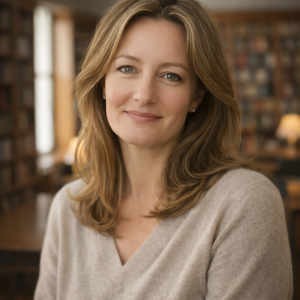
I’m Anany Deoria, and writing has always been less about fitting into a particular category for me and more about following an idea wherever it takes me. My published work currently spans practical books on leadership and personal growth, while my other writing includes a love story, Hindi poetry, and Gangaputra – Mahakavya, an epic work inspired by the life and character of Bheeshma Pitamah.
That range probably says more about me as a writer than any single genre label could. I enjoy writing about people, their choices, their struggles, their relationships, and the things that quietly shape who they become.

What is the name of your latest book and what inspired it?
My latest book is From Control to Trust: A Quick-Read Guide to Delegating Without Losing Sleep. The idea came from something I think many people experience but don’t always talk about: the difficulty of letting go of work when you’re responsible for the outcome.
Delegation sounds simple until you’re the person thinking, “It will be faster if I just do it myself.” That mindset can quietly turn a manager into a bottleneck. I wanted to write something practical about making that transition from controlling every detail to building enough trust that other people can take ownership.
I deliberately kept the book short and practical because I wanted it to be something a busy manager could actually finish and use.

Do you have any unusual writing habits?
I don’t think I have a particularly romantic writing routine. I tend to write when an idea refuses to leave me alone. Sometimes that means sitting down with a very clear structure; other times it starts with a sentence, an observation, or a question that keeps coming back.
One habit I do have is that I rarely trust the first version of something. I like leaving it alone for a while and coming back to it with fresh eyes. What felt brilliant while writing it often looks very different the next morning.

What authors, or books have influenced you?
I’ve been influenced by very different kinds of writing. I have a particular interest in writers who can make an idea feel simple without making it shallow. At the same time, my Hindi literary reading and my interest in Indian mythology have influenced a very different side of my writing.
That’s probably why my own work moves between practical nonfiction, poetry, romance, and epic literature. I don’t think good writing has to stay inside one box.

What are you working on now?
I’m continuing to write in two very different directions. One is practical writing around leadership, work, confidence, and personal growth. The other is much closer to my literary side, particularly Hindi poetry and stories rooted in Indian history, mythology, and human relationships.
I enjoy keeping both sides alive. One keeps me grounded in everyday problems people actually face; the other gives me room to explore ideas, emotions, characters, and questions that don’t always have straightforward answers.

What is your best method or website when it comes to promoting your books?
I’m still experimenting with book promotion rather than claiming that I’ve found one magic formula. For me, the most useful approach is to put the book in front of the right reader and let the subject matter do some of the work.
I also think an author needs to build an identity beyond individual book launches. Readers are more likely to stay interested when they can understand what the person behind the books cares about.

Do you have any advice for new authors?
It sounds obvious, but finishing is harder than starting. There are always more ideas, more revisions, more doubts, and more reasons to tell yourself that the manuscript isn’t ready. At some point, you have to accept that writing a book is also the process of deciding what you’re willing to let go.
And don’t try to sound like an author. Write like yourself. Readers can forgive imperfect writing much more easily than they can forgive writing that feels manufactured.

What is the best advice you have ever heard?
Don’t confuse being busy with moving forward.
I’ve found that a lot of things can make us feel productive without actually taking us anywhere. The difficult part is deciding what genuinely deserves your time and then having the discipline to keep doing it when nobody is watching.

What are you reading now?
At the moment I’m reading in bits and pieces rather than sticking to one book. I’m moving between practical nonfiction and Indian literature, depending on what I’m working on. I find that reading something completely unrelated to my current project often gives me better ideas than deliberately looking for inspiration.

What’s next for you as a writer?
I don’t want to become a writer who produces the same book repeatedly just because one category happens to work. I want to keep experimenting. There will likely be more practical books, but I also want to give serious time to my Hindi writing and to larger literary projects.
In particular, I’d like to continue exploring Indian characters and stories in a way that feels accessible to a modern reader without losing the depth of the original tradition.

What is your favorite book of all time?
I don’t think I have a single favourite book in the conventional sense. Different books have stayed with me for different reasons. Some changed the way I think, some changed the way I write, and some simply gave me the pleasure of getting lost in a story. If I had to choose just one, though, I’d rather choose the book that has influenced me most personally rather than the one I think I’m supposed to name.


If you enjoyed this writer’s interview, check out our Featured Authors page. We have some of the best authors to discover. They are just waiting for you to discover them.

Hope you enjoyed this writer’s interview feel free to share it using the buttons below. Sharing is caring! If you are an author and want to get exposure to new readers submit your book to our book promotion service.

If you are an author feel free to submit your own Author Interview. It is free and we love sharing authors with our readers.

Holly K. Miller

Tell us about yourself and how many books you have written.
I am a visual marketing and design professional based in Ontario, Canada, and the founder of Plume & Page Press. My debut novel is a domestic psychological thriller called A Shattering of Memory. I am also currently developing a five-book, closed-door paranormal romance series under a pen name.

What is the name of your latest book and what inspired it?
A Shattering of Memory. It is a dual-timeline psychological thriller inspired by the idea that long-buried secrets from a first love in 1989 can violently resurface decades later, completely unraveling a perfectly safe, composed life in the present day.

Do you have any unusual writing habits?
I rely heavily on virtual body doubling to manage my ADHD while writing. I also use specific sensory triggers, like curated playlists and mood boards, to help me lock into the zone and keep my focus sharp so I can power through those messy first drafts.

What authors, or books have influenced you?
I have very eclectic reading preferences that span across genres. If I were stranded on a desert island, the books I’d absolutely have to take with me are A Swiftly Tilting Planet, The Clan of the Cave Bear, The Stone Angel, and The Fountainhead (though that last one is strictly to use as kindling!).

What are you working on now?
Right now, I am actively developing a five-book paranormal romance series. It will be a low-spice, closed-door series published under a new pen name.

What is your best method or website when it comes to promoting your books?
I am a huge advocate for zero-dollar, organic marketing. Instead of falling for expensive paid marketing schemes or cinematic trailers, I focus on consistent, daily promotion and building authentic, grassroots connections with my reading community.

Do you have any advice for new authors?
Don’t fall into the trap of thinking you need to spend a fortune to be successful. Avoid the expensive marketing upsells and focus on zero-dollar, organic promotion. Showing up consistently and building genuine, grassroots connections with your reading community will take you much further.

What is the best advice you have ever heard?
“You can’t edit a blank page.” Giving myself permission to write a wonderfully messy first draft was the most liberating thing for my process. It stops the perfectionism from paralyzing you before the story is even told.

What are you reading now?
I am currently diving deep into supernatural lore and folklore research for my upcoming series. After living in the dark, tense reality of a psychological thriller for so long, it has been a fantastic palate cleanser to switch gears into world-building!

What’s next for you as a writer?
I am focused on growing my imprint, Plume & Page Press, and laying the groundwork for my next major project: the five-book, closed-door paranormal romance series I mentioned earlier. I am having a blast outlining the new world and preparing to launch my new pen name.

What is your favorite book of all time?
A Swiftly Tilting Planet (with Clan of the Cave Bear a very close second).

Author Websites and Profiles
Holly K. Miller Website
Holly K. Miller Amazon Profile

Holly K. Miller’s Social Media Links
Goodreads Profile
Facebook Profile


If you enjoyed this writer’s interview, check out our Featured Authors page. We have some of the best authors to discover. They are just waiting for you to discover them.

Hope you enjoyed this writer’s interview feel free to share it using the buttons below. Sharing is caring! If you are an author and want to get exposure to new readers submit your book to our book promotion service.

If you are an author feel free to submit your own Author Interview. It is free and we love sharing authors with our readers.

Mike Dunnaway

Tell us about yourself and how many books you have written.
Mike Dunnaway is a UK-based author of concise, accessible nonfiction. He has written the ten-title 150 Facts About series, covering subjects from cryptids and forgotten inventions to Christmas, driving tests, coffee, productivity, mindfulness, the brain, ancient civilisations, and Art Deco.

What is the name of your latest book and what inspired it?
150 Facts About Forgotten Inventions. It was inspired by the overlooked ideas and everyday objects that changed how people live, work, and solve problems.

Do you have any unusual writing habits?
I keep a running list of interesting facts and verify each one before drafting. Short, focused sessions work best.

What authors, or books have influenced you?
I enjoy well-researched popular history, science writing, and classic reference books that make complex subjects approachable.

What are you working on now?
I am continuing the 150 Facts About series with more compact nonfiction titles and researching subjects where a clear, curious explanation is useful.

What is your best method or website when it comes to promoting your books?
Useful, honest metadata and reader-focused descriptions matter most. I use retailer pages and free, relevant author-interview opportunities rather than paid advertising.

Do you have any advice for new authors?
Learn the subject carefully, write clearly for the intended reader, and keep going through steady small steps.

What is the best advice you have ever heard?
Make it useful, make it clear, and finish what you start.

What are you reading now?
A mix of popular history, science, and reference books.

What’s next for you as a writer?
More short, well-researched nonfiction books in the 150 Facts About series.

What is your favorite book of all time?
A dependable, well-written reference book is always a favourite.

Author Websites and Profiles
Mike Dunnaway Website
Mike Dunnaway Amazon Profile


If you enjoyed this writer’s interview, check out our Featured Authors page. We have some of the best authors to discover. They are just waiting for you to discover them.

Hope you enjoyed this writer’s interview feel free to share it using the buttons below. Sharing is caring! If you are an author and want to get exposure to new readers submit your book to our book promotion service.

If you are an author feel free to submit your own Author Interview. It is free and we love sharing authors with our readers.

« Previous Page
Next Page »

Follow Us On Social Media

Follow us on Twitter

Pages

  • Author Interview
  • Discover New Authors To Read
  • Privacy Policy
  • Promote Your Book
  • Sign Up For Our Newsletter
  • Submit Your Book

Categories

  • Action & Adventure
  • Adult
  • Adult Coloring
  • Author Interviews
  • Author Resources
  • Business
  • Children
  • Cooking
  • Fantasy
  • Featured Books
  • Fiction
  • Healthy
  • Horror
  • How To
  • Humor
  • LGBT
  • Memoir
  • Mystery
  • New Books
  • Non-Fiction
  • Paranormal Romance
  • Poetry
  • Religion
  • Romance
  • Sci-Fi
  • Thriller
  • Young Adult

Recent Comments

  • Linda Graffam on The Past Can’t Be Escaped by Laura Armijo
  • Lynne on The Past Can’t Be Escaped by Laura Armijo
  • Joy Dent on Darcy Flynn
  • Joy Dent on Darcy Flynn
  • Joy Dent on Darcy Flynn

Copyright © 2026 Pretty-Hot.com